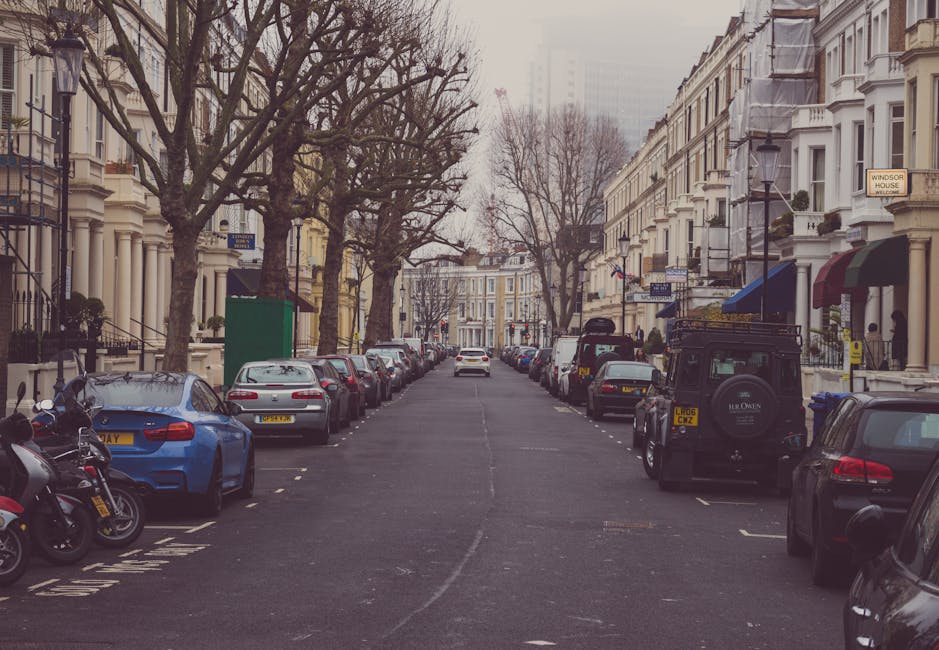
W14 Fulham Palace Road removals West Kensington parking advice
Moving on or near Fulham Palace Road in W14 can feel simple on paper and slightly chaotic in real life. There's traffic to think about, bays that may already be full, permit rules, neighbours who need access, and a van that absolutely cannot sit around blocking the road while you hunt for a better plan. That is where W14 Fulham Palace Road removals West Kensington parking advice becomes genuinely useful.
If you are planning a home move, student move, business relocation, or just need to get bulky furniture in and out without drama, a little parking know-how can save time, money, and stress. Truth be told, the best removals jobs often look calm because the parking and access issues were handled before the first box left the flat. In this guide, you'll find practical steps, local considerations, and sensible ways to reduce the usual moving-day headaches.
You'll also find helpful links to related services such as self storage in West Kensington, short-term storage options, and the broader services overview if your move needs a bit of breathing space.
Table of Contents
- Why W14 Fulham Palace Road removals West Kensington parking advice Matters
- How W14 Fulham Palace Road removals West Kensington parking advice Works
- Key Benefits and Practical Advantages
- Who This Is For and When It Makes Sense
- Step-by-Step Guidance
- Expert Tips for Better Results
- Common Mistakes to Avoid
- Tools, Resources and Recommendations
- Law, Compliance, Standards, or Best Practice
- Options, Methods, or Comparison Table
- Case Study or Real-World Example
- Practical Checklist
- Conclusion
- Frequently Asked Questions
Why W14 Fulham Palace Road removals West Kensington parking advice Matters
Parking is one of those moving-day details people underestimate until it causes a delay. On a busy London road, even a small mistake can ripple through the whole schedule. If the van cannot stop near the property, your team may need to carry items farther, protect them from passing traffic, and work around double-parked cars or narrow pavements. That slows everything down. And yes, it can get frustrating quickly.
On Fulham Palace Road and the surrounding West Kensington streets, access can be affected by local traffic, nearby residents, deliveries, school runs, and general London road pressure. You may also be balancing building access rules, loading time limits, and the need to avoid inconveniencing neighbours. Good parking advice is not just about convenience; it is about keeping the move safe, lawful, and efficient.
For many people, parking planning also affects cost. A removals team that spends extra time circling the block or walking furniture from a distant bay may need longer on site. That's why commercial movers usually ask for access details early. If you are organising a larger move, or even a modest one in a difficult spot, you will often get a better result by planning parking first and boxes second.
Expert summary: In busy West Kensington streets, the parking plan is part of the move plan. If you sort it early, everything else tends to behave itself a bit better.
How W14 Fulham Palace Road removals West Kensington parking advice Works
The basic process is straightforward, although the details matter. First, you assess the road layout and the property access point. Then you work out where the removals vehicle can legally and safely stop. After that, you check whether permits, loading restrictions, suspension requests, or time windows apply. Finally, you give the removals team clear instructions so they arrive ready for the conditions on the day.
In practical terms, that might mean deciding whether a large removal van can sit close enough to the entrance, or whether a smaller shuttle vehicle would be easier. For basement flats, mansion blocks, and properties with tight frontages, the answer is sometimes obvious after a quick look, but sometimes it is not. A small car can look manageable while a loaded van turns out to be a different story entirely.
There is also the human side of it. A good removals team needs to know if the lift is booked, if the front steps are narrow, if the road has morning congestion, and whether a neighbour's car tends to sit in the best loading spot. That sounds like minor stuff. It isn't. Small access issues are the things that decide whether moving day feels calm or messy.
If you are combining moving with storage, you may want to look at household storage in West Kensington or furniture storage solutions so that the van can unload less urgently and your access plan can breathe a little.
Typical parking scenarios you may face
- Resident bays already occupied: the team may need to use a legal loading spot or a pre-arranged alternative.
- Red route or no-stopping pressure nearby: the vehicle may need very precise timing and a different unloading approach.
- Permit-controlled streets: you may need to confirm whether temporary permission or advance notification is needed.
- Shared access or courtyard entry: the van may need to stop clear of turning space so everyone can still move safely.
- Flat access with stairs: shorter carry distances matter because stair loading takes longer and wears everyone out faster.
Key Benefits and Practical Advantages
Good parking advice does more than avoid parking tickets. It improves the whole moving experience from start to finish. Here are the main benefits people usually notice.
- Less delay: the removals crew can start loading or unloading without a long hunt for space.
- Lower stress: fewer last-minute decisions, fewer awkward calls, fewer "where can we stop?" moments.
- Safer handling: shorter carry distances reduce the risk of knocks, slips, and strained backs.
- Better neighbour relations: a tidy parking plan is far less likely to upset residents or block access.
- More predictable costs: less wasted time means a smoother schedule and fewer surprises.
- Better protection for items: sofas, cabinets, and boxes are exposed to the street for less time.
There is another advantage that people often miss. When the vehicle is parked well, the crew can load in a better rhythm. That means less stop-start movement, less congestion at the doorway, and fewer chances for fragile items to be put down in awkward places. You can almost feel the difference when it happens; the job just flows.
If you are a student or moving out of a shared flat, it may also make sense to use student storage in West Kensington so you can split the move into two calmer stages instead of trying to do everything in one rushed trip.
Who This Is For and When It Makes Sense
This kind of planning helps almost anyone moving in the W14 area, but some people need it more than others.
It is especially useful for:
- People moving from or to flats on busy roads
- Households with large furniture or multiple rooms of belongings
- Students moving between term-time addresses and storage
- Small businesses relocating stock, files, or equipment
- Families using shared entrances, narrow stairwells, or basement access
- Anyone arranging a same-day move and delivery combo
It also makes sense if you are not moving much at all, but the item is awkward. A bed frame, a wardrobe, a desk, or a large storage cabinet can still create access issues if the van has nowhere suitable to stop. Let's face it, the awkward thing is rarely the smallest item. It's always the one that does not fit through the door on the first try.
If your move involves documents, archives, or business records, you may also want to review document storage options or business storage in West Kensington so the load can be broken into sensible categories.
Step-by-Step Guidance
Here is a practical way to handle parking for a removals job around Fulham Palace Road and West Kensington.
- Check the property access first. Note the front door position, stair access, lift availability, and whether the van can get close enough to load safely.
- Review the road conditions at the likely moving time. Morning and evening conditions can be very different from a quiet mid-afternoon slot.
- Identify legal stopping options. Look for loading areas, resident bays, single yellow restrictions, and any nearby suspension notices.
- Confirm whether permissions are needed. Some streets or buildings may require advance arrangements for parking or loading.
- Measure the practical carry distance. Even a short extra walk can make a move slower when you are carrying heavy items.
- Tell the removals team in detail. Include the road name, flat number, access notes, and any awkward turning points.
- Prepare the property for loading. Move smaller items to one place so the crew can work in a single flow rather than criss-crossing the flat.
- Keep a backup option in mind. If the ideal bay is taken, know the next best legal place to stop.
That's the basic sequence. Simple, but effective. And honestly, it saves a lot of unnecessary running around on the day.
A quick real-world way to think about it
Imagine the van can park directly outside for 20 minutes. The team loads in one neat run, the neighbour is happy, and the job moves on. Now imagine the van has to sit half a street away, with a stairwell that smells faintly of paint and old carpet, and there is a queue of delivery vans behind it. Same removal, completely different energy. The first one feels organised. The second one feels like a story people tell with a sigh.
Expert Tips for Better Results
These are the small things that tend to make a big difference.
- Build in a buffer. London traffic does not always play nice, so give yourself extra time before the crew arrives.
- Use a loading-first mindset. Think about what should go on the van first, not just where it will end up in the new place.
- Protect the route. If the carry path is long, clear it properly. Open doors, remove loose rugs, and avoid clutter.
- Choose the right size vehicle. A smaller van can sometimes be better than a bigger one if parking space is tight.
- Bundle the awkward items. Mirrors, glass tops, and long furniture pieces deserve a special plan.
- Keep essentials separate. If parking causes delay, you still want the kettle, keys, charger, and documents easy to reach.
One practical tip that often gets overlooked: check whether the property entrance is better for unloading than for loading. It sounds odd, but in some roads the flow of traffic or the direction of the bay makes one side of the street much easier than the other. A slightly crooked plan can still be the right plan.
Another tip: talk to neighbours if you can. A quick, polite heads-up can prevent a lot of eye-rolling on the day. People are usually more understanding when they know the van is there for a purpose and not just camping out.
If you want a broader view of services and how they fit together, have a look at the long-term storage options and the main pricing and quotes information so you can weigh timing, storage, and removals as one decision rather than separate bits.
Common Mistakes to Avoid
A lot of moving-day trouble comes from the same handful of mistakes. Avoid these and you are already ahead.
- Assuming parking will "sort itself out". It rarely does, especially in a busy W14 setting.
- Not checking restrictions for the exact time of day. A bay that is fine at lunch may not be fine later.
- Forgetting about carry distance. A legal stop is not automatically a practical stop.
- Leaving bulky items until last. When parking is limited, the heaviest pieces should be planned early.
- Giving vague instructions to the removals crew. "It's near the tube" is not enough. Be specific.
- Ignoring building rules. Some blocks have access windows, lift booking rules, or concierge requirements.
- Not planning for rain. London weather has a habit of showing up uninvited. A wet carry path is no one's favourite thing.
Also, do not forget the small stuff. Keys, fobs, lift codes, and parking instructions have a way of disappearing at the exact moment you need them. Slightly annoying? Absolutely. Common? Very.
Tools, Resources and Recommendations
You do not need a complicated toolkit, just the right information and a few sensible items.
Useful things to have ready
- Photos of the front of the property and street layout
- Any resident parking details or building instructions
- The removals team's arrival window
- Basic measurements for large furniture
- Floor level, lift access, and stairwidth notes
- Contact details for the person managing access on the day
Useful service pages to consider
If you are still deciding how much storage or support you need, the following pages can help you plan the wider move:
- Short-term storage in West Kensington
- Long-term storage in West Kensington
- Secure storage for valuables
- Insurance and safety guidance
- About the team
For straightforward next steps, you can also use the quote request page or get in touch through the contact page. If you are comparing options, the main self storage page is a sensible starting point.
Law, Compliance, Standards, or Best Practice
Parking, loading, and removals activity in London should be handled carefully and in line with local rules. The exact restrictions can vary by street, time of day, road markings, and local authority guidance, so it is best not to assume that one road works the same as the next. If a parking bay looks usable, that does not automatically mean it is legal for a removals vehicle to stop there.
Best practice is to check the local parking conditions in advance and to make sure the vehicle is not causing an obstruction. Removals crews should also take reasonable care around pedestrians, neighbours, and building entrances. That sounds obvious, but on tight London streets it matters more than people realise.
There are also wider safety and handling expectations. Heavy lifting should be managed sensibly, paths should be kept clear where possible, and fragile or valuable items should be packed and carried in a way that reduces risk. If you are storing items as part of the move, reviewing the provider's health and safety policy and terms and conditions is a sensible step. A little reading now can prevent misunderstandings later. Not glamorous, but useful.
If payment handling matters to you, especially for larger or staged moves, it can also help to read about payment and security. And if you are comparing providers, trust is easier to judge when policies are clear and written plainly.
Options, Methods, or Comparison Table
Not every move around Fulham Palace Road needs the same approach. Here is a simple comparison to help you choose a sensible method.
| Approach | Best for | Pros | Trade-offs |
|---|---|---|---|
| Park close and load directly | Properties with clear legal stopping space | Fast, efficient, less carrying | Needs careful timing and good access |
| Use a smaller vehicle | Tight streets or awkward entrances | Easier to place legally, more flexible | May need multiple trips |
| Use storage first | Moves that need staging or split dates | Reduces pressure on the day | Requires extra planning and cost |
| Hire a full removals team with access planning | Busy or complex moves | More support, fewer surprises | Usually needs early booking |
The right choice depends on your property, your belongings, and the space outside your door. If you are moving a one-bed flat, a simple loading plan may be enough. If you are moving a family home or a small office, storage plus a carefully arranged vehicle stop might be the calmer route.
Case Study or Real-World Example
Here is a realistic example from the sort of move people often face in West Kensington.
A couple moving from a second-floor flat near Fulham Palace Road had several awkward items: a sofa, a dining table, two bookcases, and a box of fragile kitchenware. The road outside looked manageable at first glance, but parking was tighter than expected because of other vehicles and daytime pressure. Instead of forcing a last-minute decision, they checked access the day before, spoke to the removals team, and moved a few smaller boxes into short-term storage ahead of time.
That meant the van only needed to handle the bulky items and essentials. The crew could park closer, load faster, and avoid carrying everything up and down a long stretch of pavement. Nothing dramatic happened. Which, in removals, is often exactly the win you want.
The couple later said the best part was not the storage itself but the calm it created. Less clutter in the flat. Less panic on the morning. Less back-and-forth about where the van would stop. Small adjustments, big payoff.
Practical Checklist
Use this simple checklist before moving day. It keeps the important bits in one place.
- Confirm the exact moving date and arrival window
- Check parking restrictions for the road and time of day
- Note any loading bays, permit areas, or access limits
- Tell the removals team about stairs, lifts, and entry codes
- Measure any large furniture that may need extra clearance
- Decide whether storage is needed before or after the move
- Keep keys, documents, and chargers separate and easy to reach
- Protect floors, corners, and doorways if the carry route is tight
- Warn neighbours if a van may temporarily limit access
- Have a backup parking plan in case the first spot is taken
Quick reminder: if the parking plan feels uncertain, sort that uncertainty first. Everything else gets easier once the van has a proper place to stop.
Conclusion
Good parking advice for removals around Fulham Palace Road is really about control. Control over timing, access, safety, and the amount of stress you carry into the day. When you understand the road conditions, communicate clearly with your removals team, and leave yourself a sensible backup plan, you give the whole move a much better chance of running smoothly.
Whether you are moving a flat, a family home, a student room, or business items, the principle is the same: make the van's job easier and your day gets easier too. A well-planned stop outside the property can save time, protect your belongings, and prevent the sort of little disasters that turn into big stories later. Nobody wants that.
If you are still shaping your move, it may be worth exploring household storage, furniture storage, or a tailored quote for your move and storage needs so you can make the right call with confidence.
Get a free quote today and see how much you can save.
And if you remember only one thing from this guide, let it be this: a calm move usually starts with a smart parking plan. Everything else tends to fall into place after that.
Frequently Asked Questions
What is the best way to plan parking for a removals van on Fulham Palace Road?
Start by checking the exact road restrictions, building access, and likely time of day for the move. Then decide whether the van can stop close enough for safe loading. If the space is tight, a smaller vehicle or staged storage can make the job easier.
Do I need to arrange parking in advance for a move in West Kensington?
In many cases, yes. Advance planning helps avoid delays, especially on busy streets or where parking is controlled. Even if you do not need a formal permit, it is still smart to confirm the nearest legal loading option before moving day.
Can a removals van stop outside my flat if the road looks clear?
Not always. A clear-looking space may still be restricted by local parking rules, time limits, or loading conditions. Always check the signage and road markings rather than guessing.
What if another car is parked in the best loading spot?
Have a backup plan ready. A good removals team will usually adapt, but it helps if you already know the next legal stopping point. That way you are not improvising under pressure.
Is short-term storage useful for a move near Fulham Palace Road?
Yes, especially if your access is limited or your move needs to be split over more than one day. Short-term storage in West Kensington can reduce pressure on the van loading process and keep the move more manageable.
How early should I tell the removals company about parking issues?
As early as possible. Parking details can affect vehicle choice, timing, staffing, and the overall moving plan. The earlier the team knows, the better they can prepare.
What should I do if the property has narrow stairs or limited lift access?
Tell the removals team in detail and consider whether some items should go into storage first. Narrow staircases and limited lifts can change the whole pace of the move, so honest access information matters.
Are there rules about causing obstruction while unloading?
Yes, obstruction is something to avoid. The exact rules depend on the location and situation, but the general best practice is to keep access clear for pedestrians and other road users wherever possible.
How can I make the loading process faster on the day?
Sort boxes in advance, group items by room, keep walkways clear, and make sure the van can park as close as legally possible. A little preparation goes a long way. Really does.
Is it worth using storage if I am moving within West Kensington?
It can be, particularly if your new home is not ready, you are downsizing, or you want to reduce the number of things going on at once. Long-term storage may suit bigger transitions, while short-term options help with temporary gaps.
What if I am moving business items rather than household belongings?
Then parking and access planning becomes even more important because you may be dealing with documents, stock, or equipment that needs careful handling. Business storage in West Kensington can be useful if you need to stage the move or protect items during the transition.
How do I know whether a removals quote is fair for a parking-heavy move?
Ask what is included, how access affects timing, and whether the team has all the property details they need. Transparent pricing is easier to assess when the parking situation is described clearly from the start. If in doubt, compare it with the information on pricing and quotes.