Best loading spots on Lillie Road for West Kensington removals
If you are planning a move in West Kensington, finding the best loading spots on Lillie Road for West Kensington removals can make the difference between a calm morning and a chaotic one. It sounds like a small detail. It usually isn't. A good loading point saves time, keeps the van out of the way, and reduces the kind of stress that has you checking the clock every five minutes while someone tries to carry a wardrobe around a parked car. Let's face it, removals days are busy enough without improvising curb space on the fly.
This guide breaks down how loading works on Lillie Road, what to look for before moving day, the common mistakes people make, and the practical decisions that help your move go smoothly. You will also find a checklist, a comparison table, and a proper FAQ section so you can plan with a bit more confidence.
Contents
- Why Best loading spots on Lillie Road for West Kensington removals Matters
- How Best loading spots on Lillie Road for West Kensington removals Works
- Key Benefits and Practical Advantages
- Who This Is For and When It Makes Sense
- Step-by-Step Guidance
- Expert Tips for Better Results
- Common Mistakes to Avoid
- Tools, Resources and Recommendations
- Law, Compliance, Standards, or Best Practice
- Options, Methods, or Comparison Table
- Case Study or Real-World Example
- Practical Checklist
- Conclusion
- Frequently Asked Questions
Why Best loading spots on Lillie Road for West Kensington removals Matters
On paper, a loading spot is just a place to stop a van. In real life, it affects almost everything about the move. The distance from front door to vehicle, the time your team spends carrying boxes, whether the driver has to double-park, and how quickly you can clear the pavement all come down to where you load.
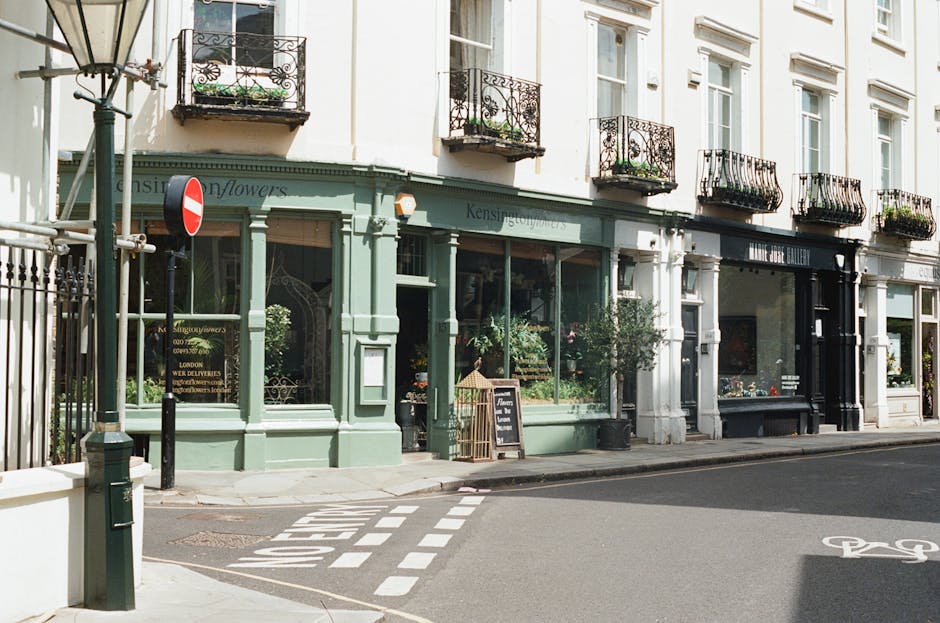
Lillie Road is a busy local route, and West Kensington moves often involve narrow residential streets, parked cars, delivery traffic, and the occasional awkward corner. That means the "best" loading spot is not always the nearest one. It is the one that balances access, safety, visibility, and the least disruption to other road users and neighbours.
A poor loading choice can create a string of small problems: longer carry distances, more risk of bumping furniture, extra time spent waiting for a space to open up, and more pressure if you have lifts, fragile items, or a strict moving window. A good spot, on the other hand, gives you breathing room. And honestly, on removal day, breathing room is gold.
There is also a customer-side benefit that people sometimes overlook. If you are moving out of a flat, the loading point can change how smooth the whole handover feels. Fewer delays. Less noise. Less faff. That matters, especially if you are working around neighbours, a managing agent, or a building that likes to keep everyone guessing until the last minute.
How Best loading spots on Lillie Road for West Kensington removals Works
Choosing a loading point on Lillie Road is a practical decision, not a one-size-fits-all rule. You want a spot that allows the van to stop legally and safely, while keeping the route from property to vehicle as short and clear as possible. In most cases, that means thinking about three things at once: road layout, access timing, and how the items will actually move.
What makes a loading spot "good"?
A good spot usually has enough space for the van to park without blocking a junction, driveway, crossing, or busy path of travel. It should allow doors to open fully, give room for loading trolleys if needed, and avoid forcing the crew to weave through awkward parked cars or tight kerbs.
You are also trying to reduce friction. If the van has to sit too far away, every box takes longer. If the route crosses a busy pavement, the team has to pause more often. If the stop is in a place with poor visibility, everyone has to be extra cautious. None of that is dramatic, but it adds up fast.
Why timing matters as much as location
A loading spot on Lillie Road that works at 7:30 a.m. may be a nightmare by 9:00 a.m. Traffic changes, school runs happen, local parking fills, and delivery vehicles start appearing. Early morning often gives you the best chance of finding a practical space, but not every move can start at dawn. Real life, annoyingly, has a schedule of its own.
If you are moving from a flat or a house on a side street off Lillie Road, the loading point may be a short walk away from the front door. That can still work well if the route is flat, clear, and free from bottlenecks. In many cases, a slightly farther but easier stop beats a closer space that is cramped or risky.
How the moving team usually approaches it
A careful removal team will look at where the van can stop, how far the carry will be, what furniture needs disassembly, and whether any lifts, stairs, or access codes create delays. If you have booked a service such as man and van support or a fuller removals service, the crew may suggest the best loading arrangement based on the property type and what you are moving.
For some jobs, especially smaller local moves, a short stop plus quick turnover is ideal. For others, the better option is to coordinate a slightly longer pause with a safe, clear route. There is no prize for being closest to the door if the van has to keep shuffling every three minutes.
Key Benefits and Practical Advantages
Choosing the right loading spot does not just make the move "easier." It can materially improve the whole day. Here are the main advantages people notice most.
- Shorter loading times: The closer and clearer the route, the faster the move tends to go.
- Lower risk of damage: Fewer turns, fewer obstacles, and less carrying distance usually mean fewer knocks and scrapes.
- Less stress: A proper loading plan reduces the feeling that you are constantly reacting to the street.
- Better coordination: The team can work more efficiently when the van is positioned well from the start.
- Improved neighbour relations: A tidy, controlled load is easier on everyone nearby.
- Safer lifting: Shorter carries and fewer awkward manoeuvres reduce strain on people moving heavier items.
There is a quieter benefit too: it makes the move feel organised. That sounds small, but if you have ever stood on a pavement surrounded by boxes, keys, and a driver asking whether the space is "definitely okay," you know how much a bit of structure helps.
If you are combining moving and storage, the right loading arrangement can also help if part of the load is going to secure storage or a short-term unit. That way, the move is split logically rather than becoming one long, messy chain of decisions.
Who This Is For and When It Makes Sense
This topic matters to anyone moving in or around West Kensington, but it is especially useful if your property sits close to Lillie Road and you need a van to stop nearby without creating problems. Some moves are straightforward. Others are a bit more fussy. Usually both happen on the same street.
It makes particular sense if you are:
- moving from a flat with limited on-street space
- working to a fixed handover time
- relocating furniture, appliances, or boxed household items
- using a van rather than a large truck
- moving in busy daytime traffic
- handling a move with children, pets, or older family members around
- trying to keep disruption to neighbours and passers-by low
It also makes sense if you are doing a local move rather than a long haul. Local moves often look simple, but the shorter the route, the more the loading spot matters. Ironically, smaller jobs can be the most sensitive to poor parking because every minute counts and the crew may be working with tighter windows.
For larger household moves, a more structured plan may be needed, especially if you are comparing house removals with flat removals. The building type changes everything: stairs, lifts, access points, and how far the van can sensibly stand off from the entrance.
Step-by-Step Guidance
If you want to improve your chances of finding the best loading spot on Lillie Road, do not leave it to moving morning. A bit of planning goes a long way. Here is a simple approach that works well in practice.
- Check your exact exit route. Walk from the front door to the roadside and notice where the path narrows, where kerbs are awkward, and where bins, railings, or planters may get in the way.
- Think about the vehicle type. A small van can fit into spaces that a larger removal vehicle cannot. Be realistic about the size of the load.
- Identify a few possible stopping points. You do not need a single magical spot. Have two or three workable options in mind in case one is unavailable.
- Choose the shortest safe carry, not just the nearest space. Sometimes a slightly longer legal stop is better than a cramped corner.
- Plan for timing. Early starts tend to help, but only if everyone involved can actually make that start. No point pretending otherwise.
- Prepare items before the van arrives. Boxes ready, furniture cleared, and fragile items wrapped. The loading spot works better when the handover is quick.
- Confirm any building rules. If you are moving from an apartment block or managed property, ask about permitted access, loading areas, and any time restrictions.
- Keep the route clear. On the day, move recycling bins, bicycles, and loose clutter before the van gets there. It seems obvious. It still gets missed.
A practical example: if your flat opens onto a stretch of Lillie Road where parking is tight, you may find that a space a little further along the road gives the van better visibility and safer access. The team can then use trolleys or carry items in a controlled way. That is often better than forcing a badly positioned stop right outside the building.
Expert Tips for Better Results
In our experience, the best loading arrangements are not flashy. They are calm, repeatable, and slightly boring in the best possible way. Here are a few expert habits that help.
1. Keep the van route simple
Do not overcomplicate the path from door to van. If you can avoid stairs, tight corners, and door swings that cut across the route, do it. One clean path is worth more than three "possible" shortcuts.
2. Use the street at the right time of day
Some parts of Lillie Road feel much easier early in the day, before traffic and parked vehicles build up. That can make a notable difference, especially for a smaller van job. Morning light, quieter roads, fewer interruptions. It all helps.
3. Treat legal loading space as a planning issue, not a last-minute scramble
If you need to stop on-street, build that into your moving plan. The worst time to realise you have nowhere to pause is when the sofa is halfway through the doorway. That is not a fun moment. Nobody enjoys that one.
4. Protect the property and the pavement
If furniture is heavy or awkward, use blankets, straps, and proper lifting technique. A good loading spot is only part of the job. The carry itself still needs care, especially where steps or uneven surfaces are involved.
5. Coordinate with storage if needed
If you are not moving everything in one go, it can help to separate items for the house, for storage, and for the van. Some customers prefer a combination of removals and storage so the loading process stays orderly instead of turning into a single huge pile of uncertainty.
Small tip, but a useful one: keep a "last on, first off" box for the things you will need straight away. Kettle, chargers, paperwork, maybe the tea bags if you are very British about it. You will thank yourself later.
Common Mistakes to Avoid
Most loading problems are avoidable. They happen because the move felt manageable in theory, then reality walked in with muddy shoes. Here are the mistakes that trip people up most often.
- Assuming the nearest space is the best: It may be nearest, but if it blocks access or slows the carry, it is not the best.
- Ignoring the time of day: A good space at one hour may be impossible later.
- Forgetting about vehicle size: A large van needs a very different stopping point from a small one.
- Leaving the route cluttered: Bins, bikes, suitcases, and loose parcels all get in the way more than you think.
- Not checking building access: Managed properties often have rules that affect loading and waiting.
- Trying to load from an unsafe position: If the van is awkwardly parked, the whole team pays for it in extra work and extra risk.
- Underestimating fragile items: Glass, mirrors, and screens need calm handling, not a rushed dash across a busy pavement.
A surprisingly common issue is the "we'll just wing it" approach. You can get away with that for many things in life. Loading a van on Lillie Road, not so much.
Tools, Resources and Recommendations
You do not need fancy equipment, but a few basic tools make loading much smoother. This is especially true if your move includes mixed household items, furniture, or a bit of storage along the way.
- Removal blankets and straps: Useful for protecting furniture and securing items in the van.
- Furniture sliders or a trolley: Helpful for heavier pieces and longer carries.
- Labels and marker pens: A simple way to keep boxes organised, especially if some are going into storage.
- Door wedges: Handy for keeping routes open during loading.
- Gloves with grip: Basic, but often worth it.
If you are still deciding how much help you need, browsing the company's pricing and quotes information can help you compare options without guessing. And if you want to understand the wider moving offer, the local removals page can be a useful starting point.
For mixed moves, especially where some items are going into a unit, it also helps to think through the storage side early. You may want short-term storage for a temporary gap, or household storage if you are between places for a little while. That planning affects how the van is loaded and in what order.
Law, Compliance, Standards, or Best Practice
When people talk about loading a van, they often focus only on convenience. But there is a compliance side too, and it should not be ignored. The aim is to stop safely, load sensibly, and avoid creating unnecessary obstruction or risk for pedestrians, cyclists, neighbours, and other road users.
In practical terms, that means following local parking restrictions, respecting any signs or bay markings, and avoiding blocked access points. If you are loading near a managed building, additional rules may apply through the landlord, agent, or building management. Those rules are not something to skim over at the last minute.
Professional movers also tend to follow general safety standards around lifting, carrying, and protecting goods. That includes using the right equipment, reducing trip hazards, and taking care when moving heavy or awkward items. If you are hiring help, it is sensible to ask about health and safety policy and insurance and safety before move day. Not because you expect a problem, but because it is better to know the basics early.
One thing people sometimes forget: compliance is not just about rules on paper. It is also about common sense. Keeping the pavement passable, avoiding dangerous reversing, and not overstaying in a loading area are all part of good practice. Simple, really. But important.
Options, Methods, or Comparison Table
There is no single perfect loading method for every move. The right choice depends on distance, access, vehicle size, and how much you are moving. Here is a simple comparison to help you think it through.
| Loading method | Best for | Advantages | Drawbacks |
|---|---|---|---|
| Direct curbside loading | Clear access, short carries, smaller loads | Fast, simple, efficient | May be hard to secure legally or safely on a busy road |
| Nearby on-street loading spot | Moderate access issues, flat routes | Often more realistic on busy streets | Longer carry, slightly more time needed |
| Managed building loading point | Flats, apartments, controlled developments | Structured access, easier planning | May need advance approval and tight timing |
| Split load with storage | Staggered moves, downsizing, delayed move-in | Reduces clutter on the day, easier organisation | Needs extra planning and labelling |
If your move involves a lot of furniture, the choice between a direct stop and a nearby loading point can affect the entire rhythm of the day. For smaller jobs, a compact vehicle and a tight loading plan often work best. For bigger household moves, a more formal arrangement may be wiser.
Some people also use small removals services when they only have a few items and want a quick, controlled load. Others prefer house removals because the job is more substantial and needs a fuller crew. The right method depends on the load, not just the postcode.
Case Study or Real-World Example
Here is a realistic example. A couple moving from a top-floor flat near Lillie Road had a fairly ordinary-looking load: two beds, a sofa, a dining table, boxes of kitchen items, and a few fragile pieces. At first glance, they assumed the van should park right outside. But the space directly outside their building was tight, awkward for manoeuvring, and likely to cause problems for passing traffic.
Instead, they chose a slightly wider section a short distance away where the van could stop more cleanly and the loading route stayed straightforward. That meant a longer carry by a minute or two, but the move ran better overall. The crew had room to work, the furniture came out in order, and there was less pressure on the stairwell and pavement.
That is the pattern you often see in real moves. The "best" loading spot is not always the closest one. It is the one that makes the whole job calmer. A bit less glamorous, maybe. Much more useful, though.
They also packed one of their cupboards separately into storage because the new place was not ready for everything. That small decision made the load lighter and the van easier to organise. Not exactly thrilling, but very practical. And practical wins on moving day.
Practical Checklist
Use this checklist before you finalise your plan. It is intentionally simple, because nobody wants a sixty-point moving spreadsheet at this stage.
- Confirm the moving date and time window.
- Measure or estimate the van size needed.
- Walk the route from property to roadside.
- Identify at least two possible loading points.
- Check for signs, restrictions, or building rules.
- Prepare fragile items and heavy furniture in advance.
- Label boxes clearly, especially if some go into storage.
- Keep the front path and pavement route clear.
- Have keys, codes, and contact numbers ready.
- Ask the removals team how they prefer to approach loading.
- Set aside essentials for immediate access at the new place.
- Build in a little buffer time, because London traffic will do its thing.
Quick takeaway: the best loading spots on Lillie Road are the ones that keep the route safe, short, and manageable, not simply the ones that look nearest on a map. If you get the loading point right, the rest of the move has a much easier time behaving itself.
Conclusion
Finding the best loading spots on Lillie Road for West Kensington removals is really about planning a move that feels controlled rather than rushed. A smart loading point reduces carry distance, protects your belongings, and makes life easier for everyone involved. That is true whether you are moving a single flat, a full house, or a smaller job with a bit of storage mixed in.
If you keep the route clear, choose the right time, and think about safety before convenience, you are already ahead of most moving-day headaches. Small decisions matter here. They always do. And on a busy London street, a small decision can save a very big wobble.
If you want to compare options, arrange support, or plan the right level of help for your move, take a look at the available moving and storage services and choose what fits your day best.
Get a free quote today and see how much you can save.
And if all you do after reading this is spend ten extra minutes checking your loading point, that is already a proper win. Sometimes that is enough to turn a fraught morning into a steady one.
Frequently Asked Questions
What is the best loading spot on Lillie Road for a removals van?
The best loading spot is usually the one that gives your van a safe, legal stop with the shortest practical carry to the property. It may not be directly outside the door if that space is tight or risky.
Should I always aim to park directly outside my property?
Not necessarily. Directly outside is convenient, but if it blocks access, creates a safety issue, or is too small for the vehicle, a nearby spot may be better. Short and safe usually beats exact and awkward.
How early should I plan the loading spot?
Ideally, plan it before move day. If you are dealing with a busy road or a managed property, give yourself enough time to check the layout, vehicle size, and any access rules. Last-minute planning is where stress tends to creep in.
Do I need permission to load on the street?
That depends on the specific restrictions in place. You should check local signs, bay markings, and any property management rules. If a permit or special arrangement is needed, find that out early rather than hoping for the best.
What if there is no space available when the van arrives?
Have backup spots in mind. A good moving team will usually adjust, but it helps to have options. This is one of those times when flexibility saves the day, annoyingly and beautifully.
Is a smaller van better for Lillie Road moves?
Often, yes, if the move is light or access is tight. Smaller vans can be easier to position on busier streets, though the final choice should match the volume of items and the carry distance.
How do flats and houses differ for loading?
Flats often bring tighter access, stairways, and limited stopping points. Houses may offer easier front-door access but still need a sensible loading plan if the street is busy. The building type changes the strategy quite a bit.
Can I combine removals with storage?
Yes, and it can be a very practical choice if you are not moving everything in one go. Many people use storage when dates do not line up or when they are downsizing and need extra room for a while.
What should I prepare before the van arrives?
Have boxes packed, labels on, furniture cleared, and a route from the property to the loading point ready to go. Also keep essentials and paperwork separate so they do not vanish into the moving mountain.
How can I reduce delays on moving day?
Choose a workable loading spot, start at a sensible time, clear the route, and make sure the crew knows what they are dealing with. A little preparation usually cuts more delay than people expect.
Are there specific safety concerns on a busy road like Lillie Road?
Yes. Traffic, visibility, pedestrians, parked cars, and tight manoeuvring all need consideration. The aim is to avoid blocking access or creating risky lifting conditions. Safety should always come before convenience.
Who should I speak to if I am unsure about the right loading setup?
Speak to the removals provider early and describe the property, the items, and any access concerns. If your move includes storage, ask about that too so the loading plan can match the full job rather than only the first part of it.